
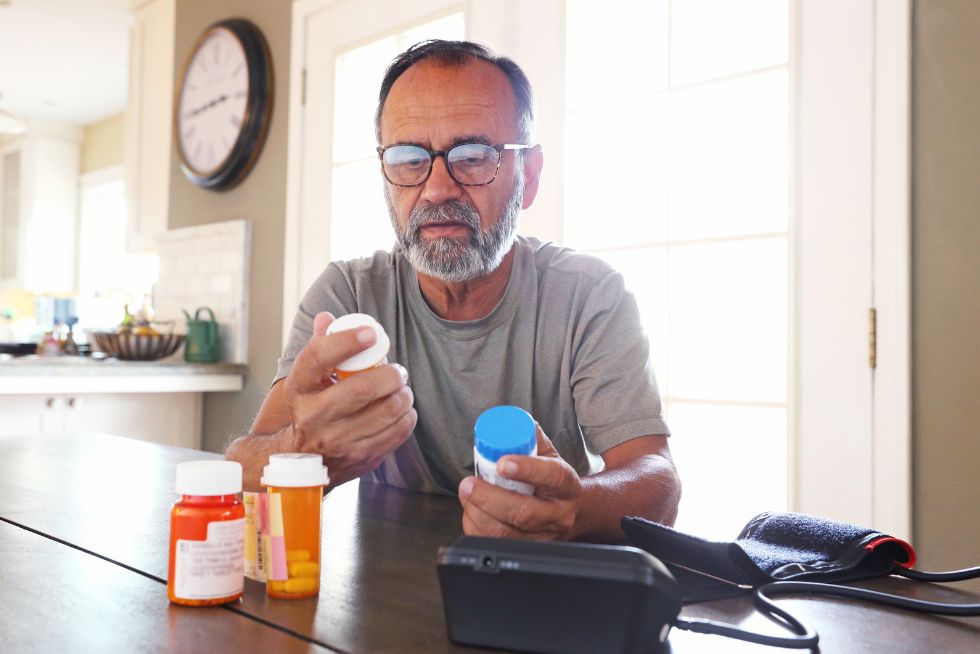
Most people rarely think about where their medication comes from until something feels wrong. An unexpected reaction, worsening symptoms, or a treatment that suddenly stops working can leave you questioning what happened.
In some cases, the issue traces back to a compounding pharmacy, where medications are mixed or customized for an individual patient rather than dispensed in standard form.
Our Nebraska medical malpractice lawyers routinely handle claims involving preparation mistakes, such as incorrect dosing, contamination, or the use of the wrong ingredients, errors that can cause serious and sometimes lasting harm.
Understanding what these pharmacies do and how Nebraska law applies can help you recognize when a preventable mistake may have caused harm.
Why Compounding Pharmacies Create Extra Risk
Unlike traditional pharmacies that dispense commercially manufactured drugs, compounding providers create customized medications for individual patients. This may involve adjusting dosages, removing allergens, or preparing liquid forms for those who cannot swallow pills.
Because each medication is prepared individually, compounding depends on precise measurements, sterile conditions, and strong safety controls. When those safeguards fail, errors can reach patients more easily.
Oversight also differs. Compounding pharmacies are primarily regulated by the state pharmacy board rather than the FDA’s drug manufacturing framework, meaning fewer premarket approvals and less routine federal oversight. This places greater reliance on internal quality controls.
Types of Pharmacy Errors
Medication errors can occur during preparation, especially when work is rushed, steps are missed, or mistakes happen during mixing or handling.
Common pharmacy errors include:
Incorrect Ingredient Measurements or Ratios
Small dosage mistakes can cause serious reactions, especially with strong medications like hormones, pain medicine, or injections.
Contamination During Preparation
Errors during mixing, handling, or packaging can introduce unwanted substances into a medication. Cross-contamination, improper equipment cleaning, or environmental exposure can lead to infections or other health complications.
Use of Incorrect Ingredients or Substitutions
Using the wrong ingredient or making changes without proper safety checks can cause allergic reactions, reduce the medicine’s effectiveness, or make it unsafe.
Failure to Follow Proper Sterility Protocols
Some compounded medications must be prepared under strict sterile conditions. When pharmacies fail to follow required sanitation and aseptic standards, patients may face heightened infection risks and adverse health effects.
Any of these errors can put patients at risk by exposing them to unsafe medications.
Injuries Caused by Compounding Mistakes
When prescription compounding errors occur, the consequences can be serious. The type and severity of harm often depend on the medication involved and the nature of the mistake.
Common effects may include:
- Severe allergic reactions, including life-threatening anaphylaxis
- Toxicity or overdose symptoms that can lead to organ damage or lasting health problems
- Serious infections caused by bacterial or fungal contamination
- Worsening medical conditions when medications are ineffective or improperly prepared
In some cases, compounding errors have led to large-scale public health crises. A well-known example occurred in 2012, when contaminated steroid injections from a Massachusetts compounding pharmacy led to a nationwide outbreak of fungal meningitis.
A federal investigation found that 753 patients across 20 states became ill, and 64 people died, highlighting how compounding errors can result in widespread and devastating harm.
When a compounding mistake causes an injury, affected patients may have the right to pursue compensation from the parties whose negligence contributed to the harm.
Who May Be Liable in a Nebraska Compounding Pharmacy Case
Compounding pharmacy mistakes usually aren’t caused by a single error or person. Determining who’s responsible often means looking at the whole process, not just the medication.
Potentially responsible parties may include:
- The pharmacy, for preparation errors, quality control failures, or violations of safety regulations
- The prescribing physician, for inadequate monitoring, missed warning signs, or continuing a medication despite adverse reactions
- Ingredient suppliers, if contaminated or defective materials were introduced during the compounding process
Because multiple parties may be involved, these cases often require thorough investigation and coordination to identify responsibility and protect patient safety.
Proving Compounding Pharmacy Negligence
It’s not enough to show that an injury happened; you also need to show that the harm resulted from a failure to follow accepted safety or preparation standards.
Proving negligence may involve:
- Reviewing pharmacy records, preparation logs, and documentation
- Examining sterility procedures and quality control practices
- Evaluating how ingredients were sourced, stored, and handled
- Relying on expert testimony from pharmacists, physicians, or toxicology specialists
Because these cases can be complex, working with experienced Nebraska medical malpractice lawyers can help ensure medical standards, pharmacy practices, and regulatory requirements are carefully evaluated.
Nebraska Medical Malpractice Laws and Time Limits
In Nebraska, injuries caused by compounding pharmacy errors are usually handled under medical malpractice law. These cases follow specific legal procedures, including the requirement for expert opinions and limits on certain types of compensation.
Nebraska generally requires medical malpractice claims to be filed within about two years of the negligent treatment. If the injury wasn’t discovered right away, the law may allow about one year from the date of discovery, though exceptions can apply.
What To Do if You Suspect a Compounding Error
If you think a custom-made medication may have caused harm, taking the right steps can help protect both your health and your legal rights.
Here’s what to do as soon as possible:
- Seek medical care right away to protect your health and document symptoms.
- Save the medication, packaging, and labels so they can be reviewed if needed.
- Write down when symptoms started, along with medical visits, diagnoses, and treatments.
- Request an independent evaluation that may help identify preventable errors.
Prompt medical attention, thorough documentation, and clear symptom records are critical to support a compounding pharmacy injury claim.
Get Legal Help After a Compounding Pharmacy Error
When a medication prepared specifically for you causes harm, it can feel like a breach of trust and safety. If you’re dealing with additional medical expenses, physical complications, or emotional stress, you may have the right to hold those responsible accountable.
Our Nebraska medical malpractice lawyers have helped patients across the state since 1962. We handle complex cases involving compounding errors and preparation mistakes. We know how to evaluate whether a mistake was preventable and what evidence may support your claim.
Speaking with a lawyer helps protect your health, your rights, and your ability to pursue compensation. Contact us today for a free consultation to get answers about your case.