
Nebraska’s rural highways may look peaceful, but they’re some of the most dangerous places to drive. These roads connect farms, small towns, and prairies, but they also come with hazards many drivers don’t expect.
Unlike city streets, rural routes often have slow-moving farm equipment, unmarked intersections, gravel surfaces, and animals suddenly entering the road. Whether you’re commuting, hauling grain, or taking a weekend drive, knowing these risks can help you stay alert and avoid serious accidents.
To help you stay safe, here are five key hazards to watch for on Nebraska’s rural roads. And if a crash does happen, contact a Nebraska car accident lawyer to protect your rights.
1. Stay Cautious at Unmarked Intersections and Hidden Driveways
Many rural intersections don’t have stop signs, warning signals, or clear markings. Tall crops, trees, and rolling hills can make it hard to see oncoming traffic. During harvest season, tractors and grain trucks often enter the roadway with little to no warning.
In 2020, intersection crashes occurred nearly three times more often than those on other road sections, highlighting just how dangerous these junctions can be.
Safety tips to avoid a collision:
- Reduce speed before reaching an intersection, even if the road looks clear.
- Keep your headlights on during the day to make your vehicle more visible to others.
- Watch for hidden driveways and field entrances where farm equipment or trucks may pull out unexpectedly.
- Look both ways more than once: hills, trees, or crops can hide vehicles until they’re much closer than they appear.
Approach every rural intersection as if danger is coming; those few seconds of caution could save your life.
2. Remain Alert for Livestock and Wildlife Crossings
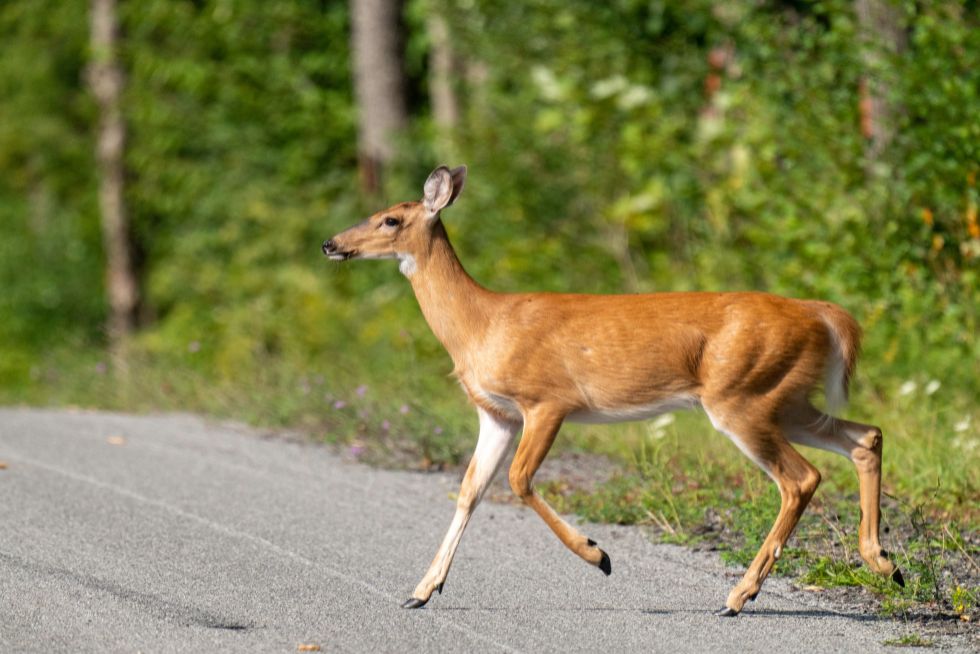
Cattle, deer, and other animals are common along Nebraska’s rural highways, especially at dawn and dusk when visibility is low. In 2017, there were 2,558 animal-related crashes, causing 216 injuries.
Deer are by far the biggest threat, responsible for 2,089 crashes in 2020, while cattle caused 202. Even one unexpected animal in the roadway can cause a driver to swerve and lose control.
To help avoid animal-related crashes:
- Stay alert in wooded areas and near open pastures.
- Watch for crossing signs, which indicate frequent animal movement.
- Brake firmly instead of swerving; it’s safer to hit an animal than another car or tree.
- Use high beams when safe to increase your reaction time.
Staying focused and lowering your speed in high-risk areas gives you more time to react and keep everyone safe.
3. Adjust Speed for Gravel Roads and Changing Surfaces
Many rural roads in Nebraska, such as County Road 13 north of Lincoln, transition from pavement to gravel or have uneven shoulders after rainfall. Gravel reduces traction, increases stopping distance, and makes it easier to lose control if you brake or steer too sharply.
When you hit a gravel section, stay safe by doing the following:
- Decelerate before reaching gravel and speed up gently to maintain traction.
- Leave extra distance between you and other vehicles to avoid dust clouds and flying debris.
- Steer smoothly; avoid jerky corrections if your tires slip.
- Watch for washboard ruts and soft shoulders, especially after heavy rain.
Stay calm and steer gently to maintain control on loose gravel and prevent the skids or fishtails that often happen at higher speeds.
4. Give Farm Equipment and Oversized Vehicles Extra Space
From spring planting through harvest, tractors, combines, and oversized trailers often use public roads to move between fields. They travel at speeds of about 5 to 15 mph and may take up more than one lane or turn unexpectedly.
In 2020, Nebraska recorded 68 crashes involving farm equipment, resulting in 3 deaths and 22 injuries, according to the NDOT Traffic Crash Facts Report.
Here’s how to avoid a farm vehicle collision:
- Stay at least 50 feet behind the vehicle to maintain visibility and braking distance.
- Pass only on long, straight stretches where you can safely return to your lane before oncoming traffic.
- Avoid hills and curves, where limited sightlines make passing deadly.
- Approach cautiously near driveways or field entrances where wide equipment may turn without warning.
A few extra seconds of space and patience around farm vehicles can prevent a serious rear-end or sideswipe collision.
5. Prepare for Weather and Visibility Challenges
In Nebraska’s open farmland, the weather can change quickly. Fog settles in low areas, dust from plowing can drift across highways, and snow squalls can create whiteout conditions in seconds. In 2020, approximately 10% of crashes occurred on snow or ice, and 9% on wet surfaces, highlighting the contribution of weather to rural roadway accidents.
To stay safe in inclement weather:
- Keep your headlights on, even in daylight, to stay visible to oncoming traffic.
- Reduce your speed gradually and maintain twice your normal following distance.
- Avoid using cruise control on slick roads to maintain control if your tires start to slip.
- Pull over safely if fog, dust, or snow makes it hard to see.
If possible, avoid traveling when conditions are poor. Check the forecast before heading out, and if you have to drive, take it slow and stay alert.
Know Your Rights After a Rural Car Accident
Even when you drive carefully, rural collisions can happen, often because of another driver’s negligence, unsafe road design, or faulty equipment. When that happens, you shouldn’t have to handle the consequences alone.
Our car accident lawyers have been fighting for injured individuals since 1962. As one of the state’s oldest and largest personal injury law firms, we’re known for taking on tough cases, providing compassionate, personalized representation, and standing up for victims when others won’t.
Contact our firm today to schedule a complimentary consultation. We can help you understand your rights and pursue the compensation and support you are entitled to.